

Jewelry That Tells Your Love Story
Redmond Diamond Center is a private Carlsbad fine-jewelry showroom specializing in custom engagement rings, natural & lab diamonds, and bespoke diamond jewelry, serving North County San Diego.
Engagement Rings in Carlsbad
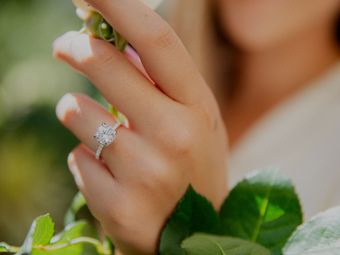
From the first sketch, to the final setting, we bring your vision to life.
Repurposing & Redesign
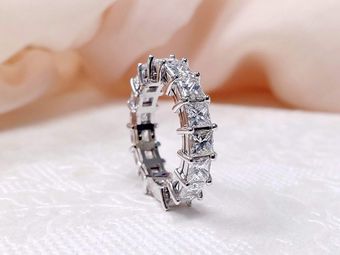
Have a piece with meaning, but it's not your style? We transform your heirlooms into modern treasures.
Lab-Grown & Natural Diamonds
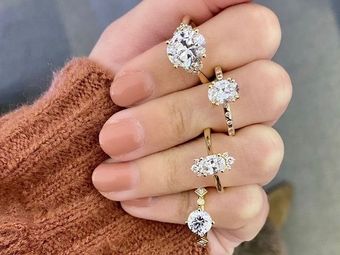
We offer carefully selected natural diamonds with GIA grading reports and lab-grown diamonds with IGI or GIA grading reports. Every diamond is evaluated for its beauty and quality, not just its grades on paper.
Why Choose Redmond Diamond Center?
- Private Showroom
Relaxed one-on-one appointments without crowds or pressure. - Lifetime Care
Complimentary cleaning and inspections to keep your jewelry looking its best. - Custom Design
Create an engagement ring that's uniquely yours.
- Education First
Understand the differences between diamonds before making your decision. - 40+ Years of Experience
Every client works directly with Noam, who has spent more than four decades in the diamond industry.
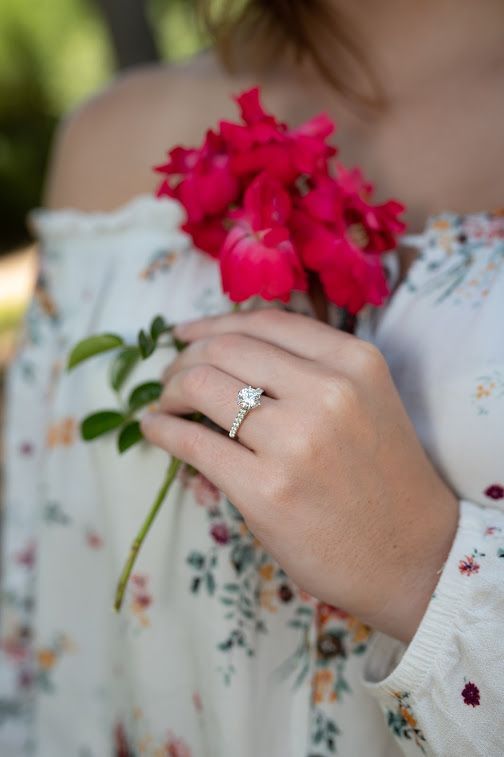
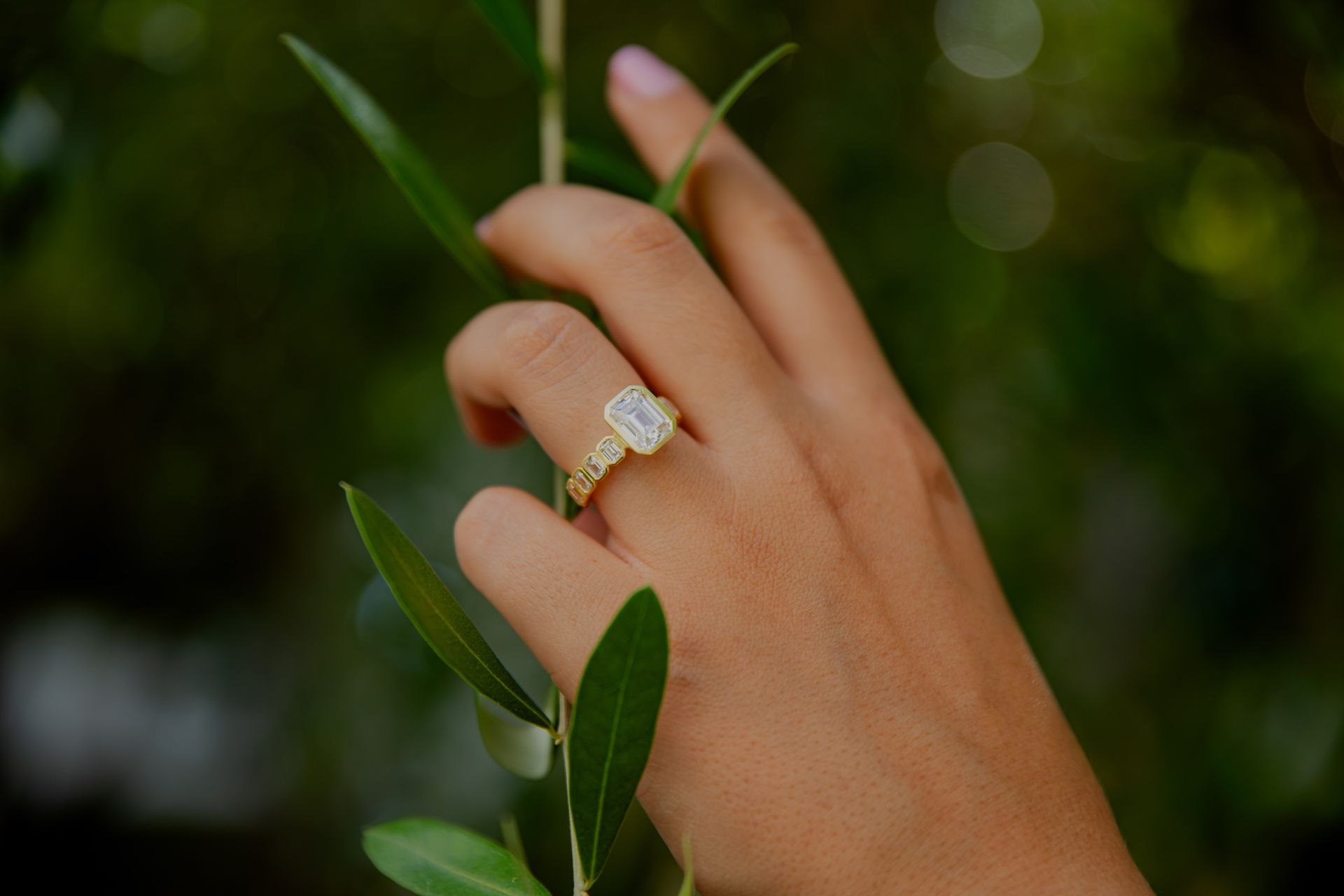
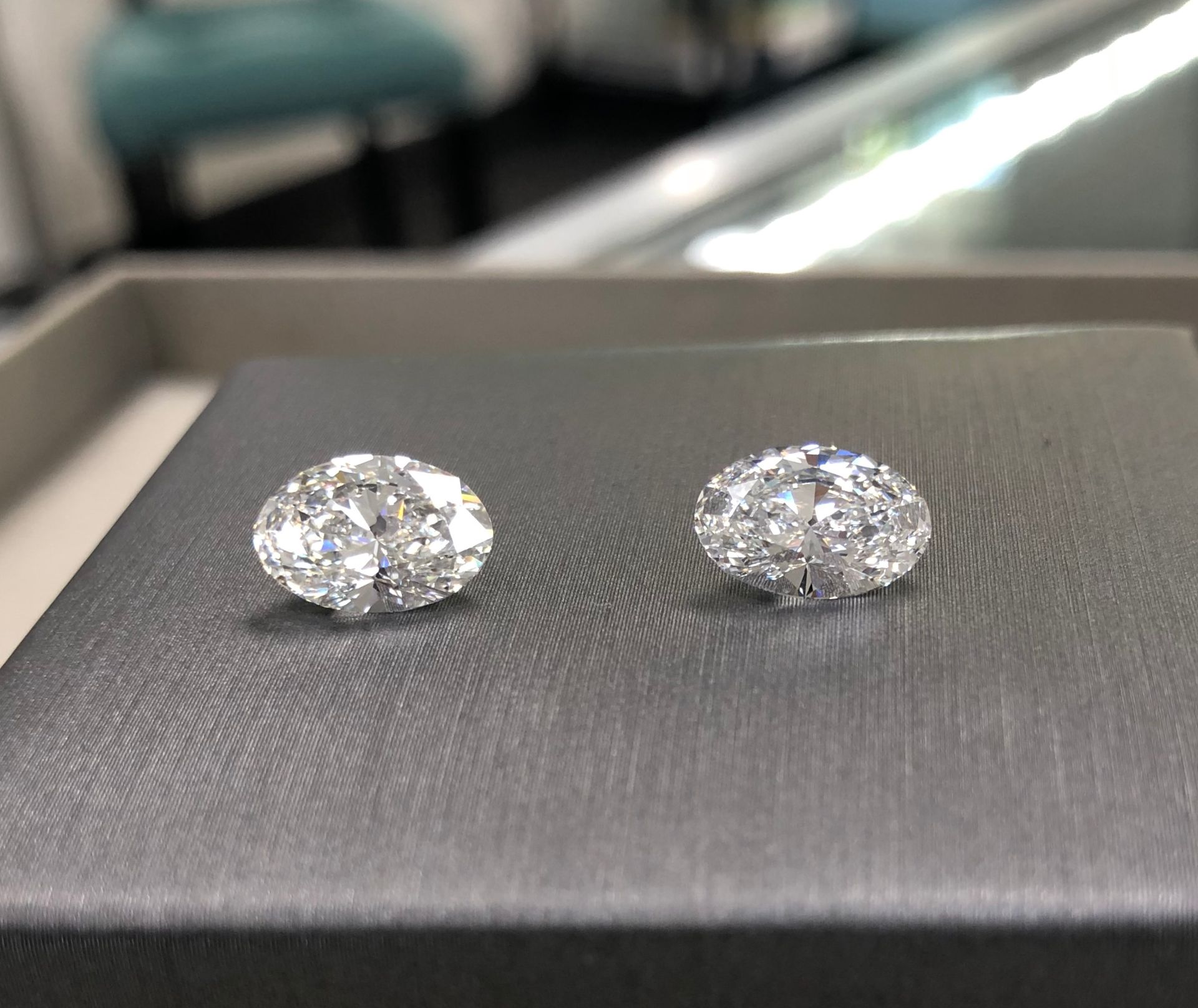
Understanding Beauty and Differences of Each Diamond Shape

Every year, new engagement trends appear. Some disappear almost as quickly as they arrive. Others aren't really new at all they're classic designs coming back with a modern interpretation. As we move through the end of 2026 and into 2027, I'm seeing couples become more comfortable choosing rings that feel personal rather than simply following one traditional formula. That's something I like. After more than 40 years working with diamonds, I've watched styles come, go, and eventually come back again. I've also learned that there is a big difference between a ring that looks great in a photograph today and a ring you'll still love wearing ten or twenty years from now. So when a customer asks me what's trending, my first question isn't really, What's popular? It's: Will you still love it when it's no longer a trend? Here are some of the engagement ring trends we're seeing as 2026 comes to an end and how I think they'll age.
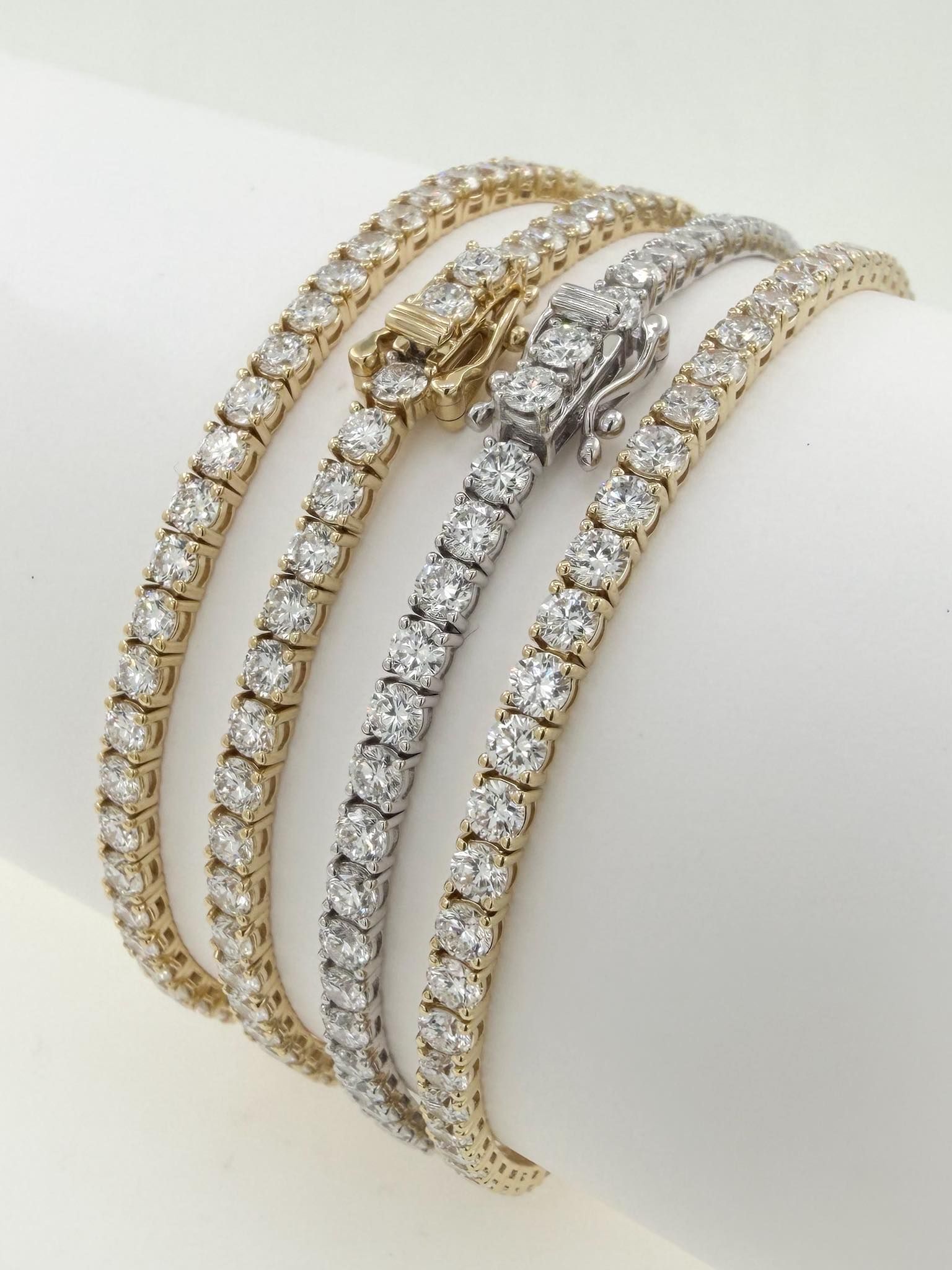
One of the most common questions I hear from customers today is: “Should I buy a natural diamond or a lab-grown diamond?” My answer is usually another question: What is most important to you? After more than 40 years working with diamonds from diamond cutting to wholesale and now helping customers one-on-one I don’t believe there is one answer that is right for everyone. Natural diamonds and lab-grown diamonds are both real diamonds. Both can be beautiful. But they are very different purchases, and I believe you should understand those differences before deciding how to spend your money. At Redmond Diamond Center, I work with both natural and lab-grown diamonds. My job isn’t to tell you which one you should buy. My job is to educate you, show you the differences, let you compare diamonds side-by-side, and help you make your own decision. Why It Took Me Years to Start Selling Lab-Grown Diamonds I didn’t immediately embrace lab-grown diamonds. When they first became commercially available, the pricing didn’t make sense to me. The difference between the price of a lab-grown diamond and a comparable natural diamond was relatively small. I remember thinking: Why would someone pay almost the price of a natural diamond for something that can be manufactured? So for several years, I didn’t sell them. But the market changed. Production increased, prices came down dramatically, quality improved, and most importantly, customers started asking for them. Eventually, I had to recognize something very simple: It’s not about what I would choose. It’s about what my customer wants. Today, lab-grown diamonds allow someone to purchase a larger, beautiful diamond without spending what a comparable natural diamond may cost. I still work with natural diamonds, and I still appreciate what makes a natural diamond special. But I also work with lab-grown diamonds because they make sense for many of my customers. So, Which Would I Buy? Customers sometimes ask me, “Noam, if it were your money, would you buy natural or lab-grown?” I don’t like to make that decision for them. Lab-grown diamonds today are very affordable, and they can look absolutely beautiful. For many customers, they make it possible to get the size and look they want while staying within a comfortable budget. Natural diamonds are a different purchase. For some people, knowing that their diamond was created naturally in the earth and the rarity and tradition associated with it are important. For other people, those things simply aren’t as important. Neither customer is wrong. What I tell people is: Understand what you’re buying, compare your options, and then decide what matters to you. Lab-Grown Isn’t Just About Engagement Rings Anymore One of the biggest changes I’ve seen is that lab-grown diamonds are no longer just an alternative for the center diamond in an engagement ring. They have moved strongly into fine jewelry. Today, customers are choosing lab-grown diamonds for tennis bracelets, tennis necklaces, wedding bands, eternity bands, diamond studs and many other pieces. This can make an especially significant difference in jewelry containing many diamonds. Lab-grown diamonds can make a piece much more affordable while still providing the beautiful diamond look and sparkle the customer wants. Why Are Lab-Grown Diamonds So Much Less Expensive? A major difference comes down to supply. Natural diamonds were created in the earth, and the supply of natural diamonds with a particular combination of size, color, clarity and cut is limited. Lab-grown diamonds can be produced by manufacturers, and production has increased tremendously. Today, there is a large supply of lab-grown diamonds available in very high color and clarity grades. That increased availability has had a significant effect on pricing. But there is something else I think customers need to understand: Not every lab-grown diamond is beautiful just because the certificate looks good. I’ve seen manufacturers produce exceptional lab-grown diamonds. I’ve also seen diamonds with impressive grades on paper that I personally wouldn’t recommend. And the same basic principle applies when I evaluate natural diamonds. A grading report is extremely important, but I still want to see the diamond. I Look at More Than the Certificate This comes from my background as a diamond cutter. Two diamonds can look similar on paper and still perform differently when you put them next to each other. I look at where the inclusions are located. I look for clouds that may affect the appearance of the diamond. I look at whether the stone is eye-clean. And most importantly, I look at the diamond itself how it faces up, how it reflects light and whether I think it is a beautiful stone. That's why I like showing customers several diamonds side-by-side. You don’t have to become a diamond expert before buying an engagement ring. But you should have an opportunity to see the difference for yourself . What About Resale Value? This is one area where I believe in being very straightforward with my customers. If you buy a lab-grown diamond today, buy it because you love the diamond and you are comfortable with what you’re spending not because you expect it to have significant resale value later. In today’s market, you should not purchase a lab-grown diamond expecting a jewelry store to buy it back from you in the future. I think customers deserve to understand that before they make the purchase. But there is another side to this conversation. Buying a natural diamond does not automatically make it an investment. If you purchase a natural diamond at retail and later suddenly need the money, you should not assume you will receive back what you originally paid. That’s why I don’t like selling either type of diamond based on promises about what it might be worth someday. I prefer to talk about what you're buying today . Resale Value and Financial Loss Aren’t the Same Thing This distinction is important. A natural diamond may have a secondary-market value while a lab-grown diamond may have very little. But you also have to consider how much money you originally spent. If someone spends substantially less on a lab-grown diamond, their total dollars at risk are also substantially lower. If someone chooses to spend considerably more on a natural diamond, that may be completely appropriate for them but they should understand that selling it later could mean receiving substantially less than the original retail purchase price. This isn't about telling you which decision is better. It's about making sure you understand the financial difference between the two choices. Your Budget Deserves Respect This is something I feel very strongly about. I respect whatever amount a customer decides to spend on an engagement ring. If your budget is $3,000, $5,000, $20,000 or $100,000, you’re going to receive the same respect and attention from me. There is no amount that you are “supposed” to spend on a diamond. It’s your money. If you choose a lab-grown diamond because you want a larger diamond, want to spend less, or simply don’t see a reason to spend more, I respect that decision. If you choose a natural diamond because its natural origin, rarity or tradition is important to you, I respect that decision too. I'm not here to judge either choice. My responsibility is to explain the differences honestly, show you beautiful diamonds within the budget you've chosen, and make sure you understand what you're paying for. After that, the choice is yours. Natural or Lab-Grown? Come See Them Side-by-Side You can read about natural and lab-grown diamonds online for hours, but there is something very different about actually seeing them next to each other. At Redmond Diamond Center in Carlsbad, I work privately with customers by appointment. We can sit down, look at different diamonds, compare natural and lab-grown options, talk about your budget and answer your questions without pressure. You don't need to know exactly what you want before you come in. That's what the appointment is for. After more than 40 years in the diamond business, my philosophy is still very simple: Understand what you're buying. Buy what you love. Spend what you're comfortable spending. And whether you choose natural or lab-grown, make the decision that's right for you.
"Noam & Dee made us feel so special. The custom process was so easy. And the ring? Absolutely stunning."
- Alexa R., Encinitas